Reserve a table
Silvio Nickol Gourmet Restaurant
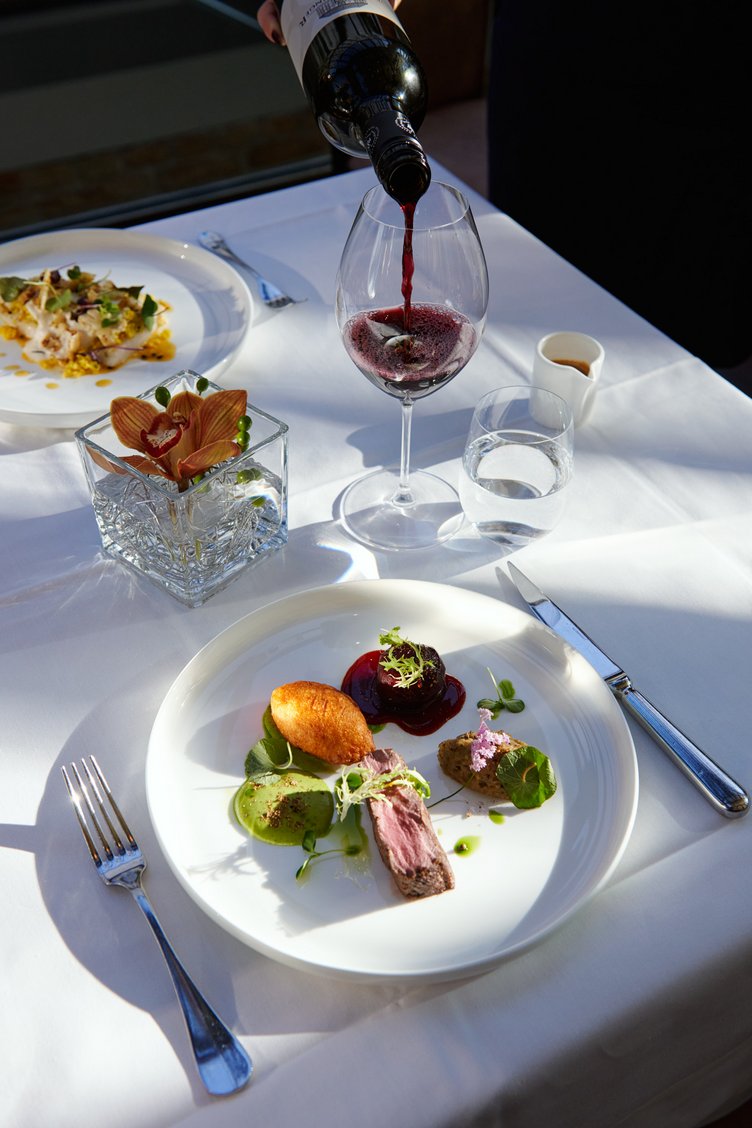
At the Silvio Nickol gourmet restaurant, classic culinary craftsmanship meets creative innovation. With French elegance, Asian nuances and regional ingredients, multi-course menus are created that delight all the senses. Exceptional cuisine, outstanding ambience – a top-level culinary experience.
Advance reservation from Tuesday to Saturday
6:30pm – 08:00pm
Prunkräume
In the historic setting of the state rooms at Palais Coburg, you can enjoy modern cuisine with Austrian roots, seasonal ingredients and international influences. Brunch, afternoon tea and dinner here become a truly special culinary experience in the heart of Vienna.
Monday to Sunday
Brunch: daily from 10:30 am to 2:00 pm
Afternoon Tea: daily from 2:30 pm to 5:00 pm
Dinner: daily from 6:00 pm to 10:00 pm
Bar service: daily from 5:30 pm

The History of Palais Coburg
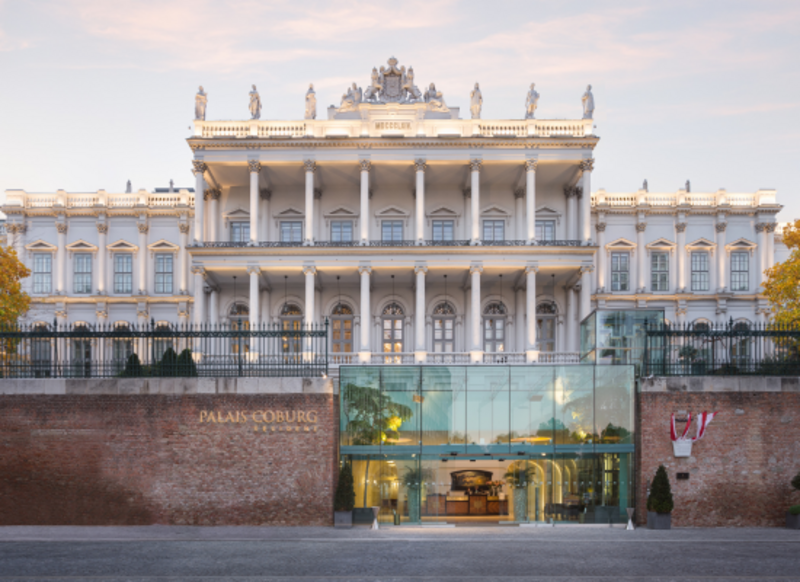
Majestically rising above the remains of Vienna’s former city wall, Palais Coburg is an architectural jewel with a fascinating past.
What is known today as a luxurious hotel and event venue looks back on a history deeply intertwined with the European aristocracy and the urban development of Vienna.
The following sections recount the origins of the palace and its transformation through the centuries.
The Origin of Palais Coburg
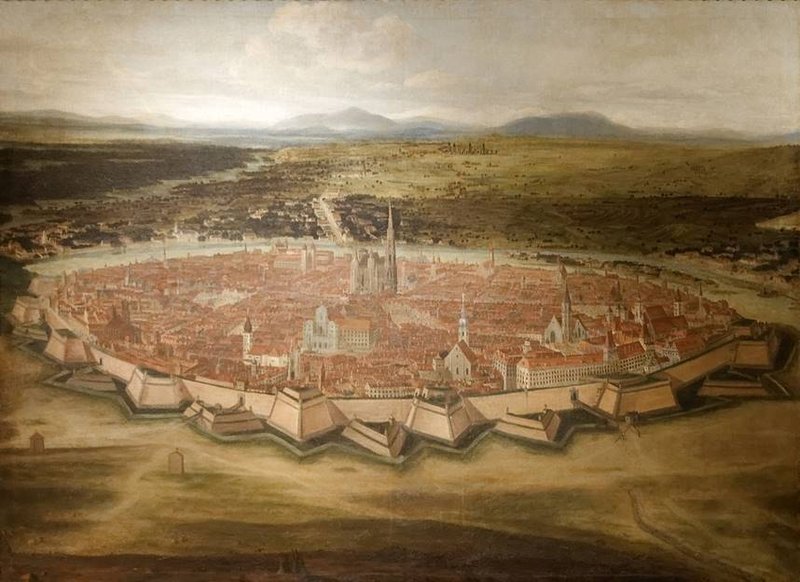

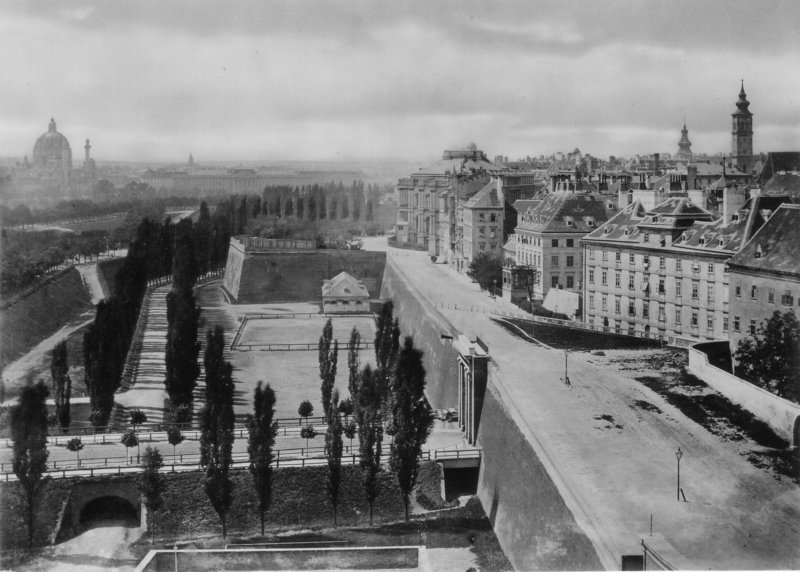
Palais Coburg stands on the former Braunbastei, part of Vienna’s 16th-century city fortifications. These were constructed in the “Italian style of fortification,” featuring star-shaped bastions and mighty ramparts.
In 1802, Count Franz Koháry acquired several buildings on the bastion. With the later connection of his family to the House of Saxe-Coburg, the history of one of Vienna’s most magnificent city palaces began.
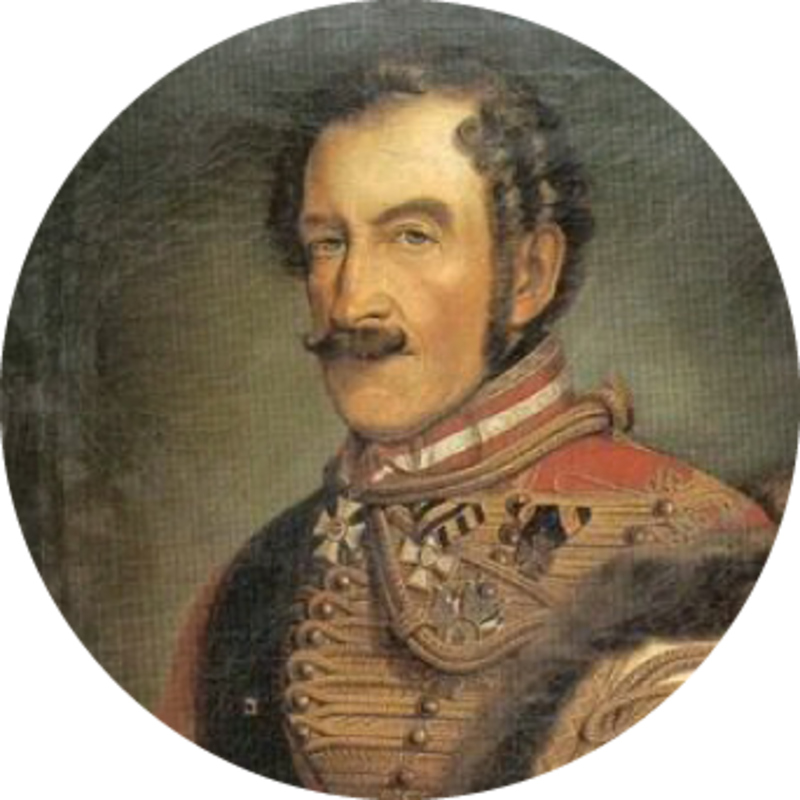
In 1816, Prince Ferdinand of Saxe-Coburg married the Hungarian heiress Maria Antonia Koháry, daughter of Count Franz Koháry, who had already acquired buildings on Vienna’s Braunbastei in 1802 – the future site of Palais Coburg.
Upon the count’s death, his fortune passed to the Saxe-Coburg family. This dynastic union laid the foundation for one of Vienna’s most splendid city palaces.
Construction on Historical Foundations
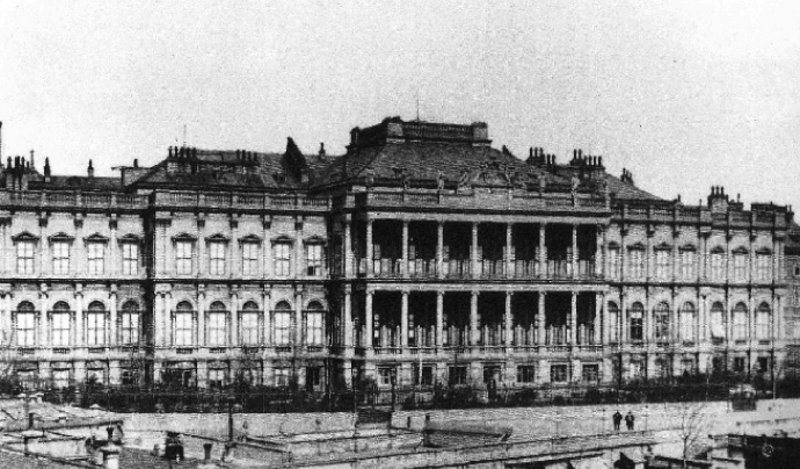
Between 1840 and 1845, Prince Ferdinand of Saxe-Coburg had a representative palace built on the Braunbastei, a site of military-historical significance. The design was by Karl Schleps, with construction carried out by Adolph Korompay.
Thanks to the early construction period, the casemates of the Renaissance fortifications were preserved. The free-standing columns of the central projection earned the late-classical building the nickname “Spargelburg” (“Asparagus Castle”). Today, Palais Coburg is considered one of Vienna’s most important historic buildings.
The Royal Family Moves into the Palais
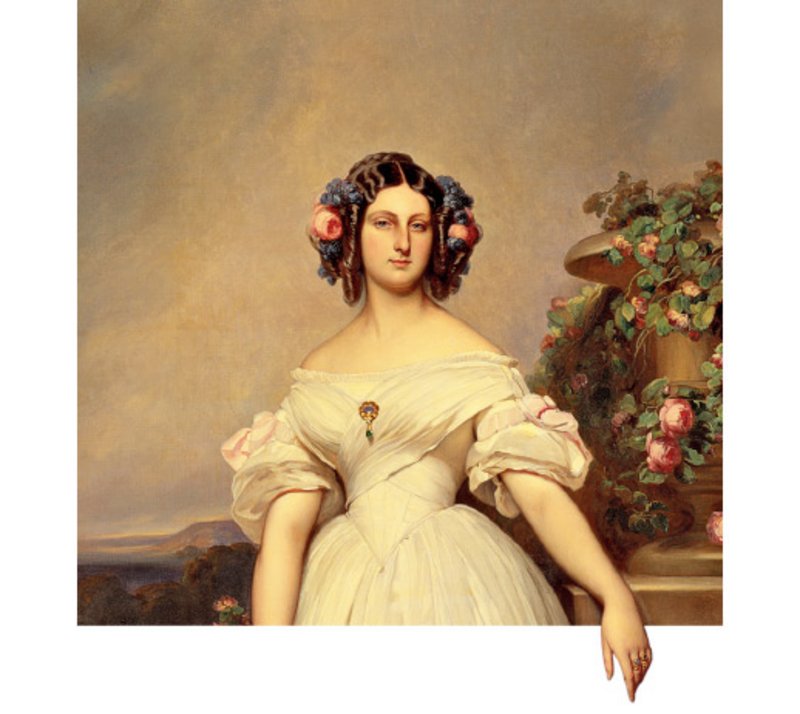
In August 1856, Prince August of Saxe-Coburg, the second son of Prince Ferdinand, and his wife Princess Clémentine of Orléans – daughter of the French “Citizen King” Louis-Philippe – moved into the newly completed Palais Coburg in Vienna.
For the aristocratic couple, the state rooms were splendidly decorated with the coats of arms and insignia of both the French royal house and the House of Saxe-Coburg.
Part of the palace was also adapted and rented out as an apartment building – an early example of the versatile use of the historic property, which to this day stands as a symbol of aristocratic residential culture and urban development.
Demolition, Use and Rediscovery
In 1857, Emperor Franz Joseph I ordered the demolition of Vienna’s city fortifications. In their place arose the Ringstrasse – a symbol of Vienna’s transformation into a modern capital. Palais Coburg remained one of the few buildings preserved on the historical foundations.
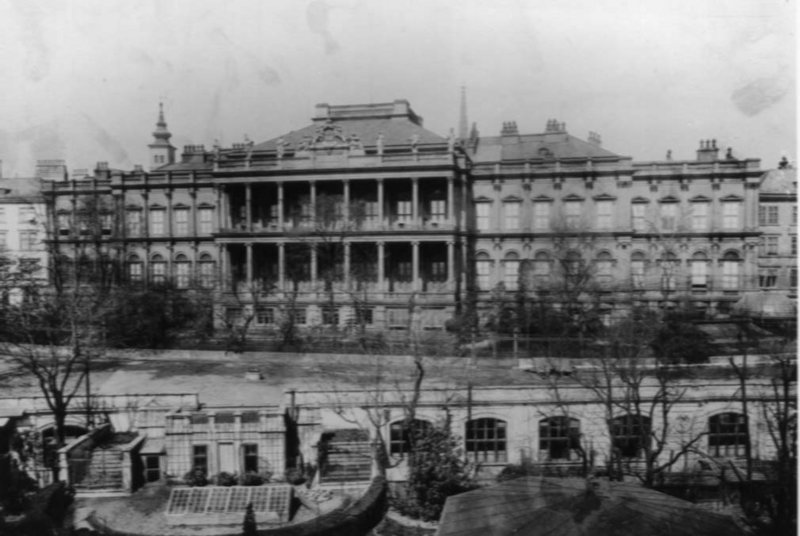
In 1864, the sculptural crowning of the central projection of Palais Coburg was completed – a distinctive feature of late-classical architecture. In 1871, the Horticultural Society constructed single-storey exhibition buildings directly in front of the palace, further shaping the cityscape around the Coburgbastei.
At the end of the Second World War, Palais Coburg suffered severe damage from bombs and artillery fire. During the post-war period (1945–1955), it served as accommodation for Soviet soldiers. From 1955 onwards, two floors were rented by the Austrian Federal Railways for use as office space.
In 1978, the last Coburg owner, Princess Sarah Aurelia, sold the palace to a real estate agent, who turned it into an object of speculation. In 1992, the building came into the possession of Länderbank and subsequently the Zentralsparkasse – by this time, the structural condition was severely neglected.
Start of Restoration by the POK Pühringer Private Foundation
With the acquisition of Palais Coburg by the POK Pühringer Private Foundation in 1997, a comprehensive restoration began. The building was severely damaged – only façade contours, fragments of stucco, gilding, and wall coverings remained.
Recognising its cultural value, the foundation restored the palace to new splendour while preserving its historical substance.
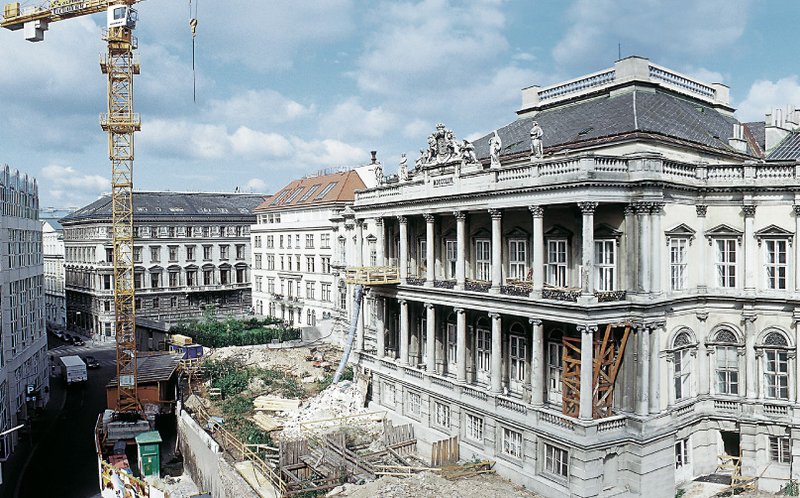
Renaissance as a Luxury Hotel
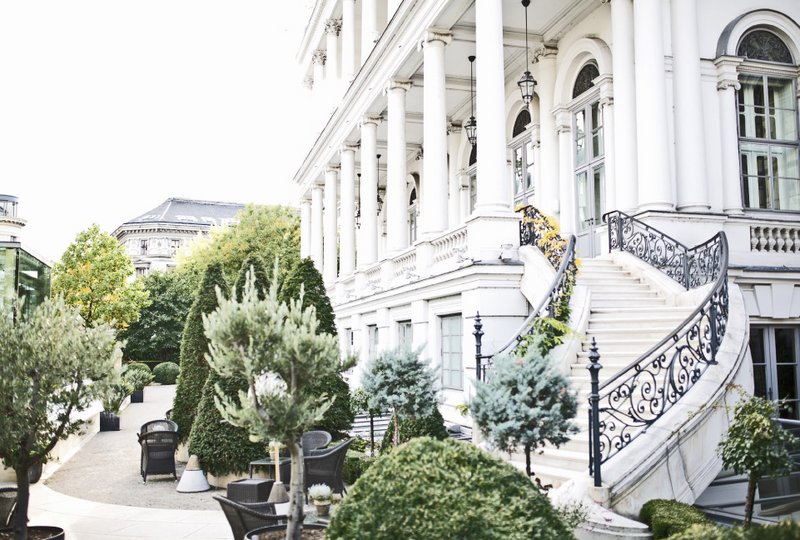
Reopening as a Hotel Residence
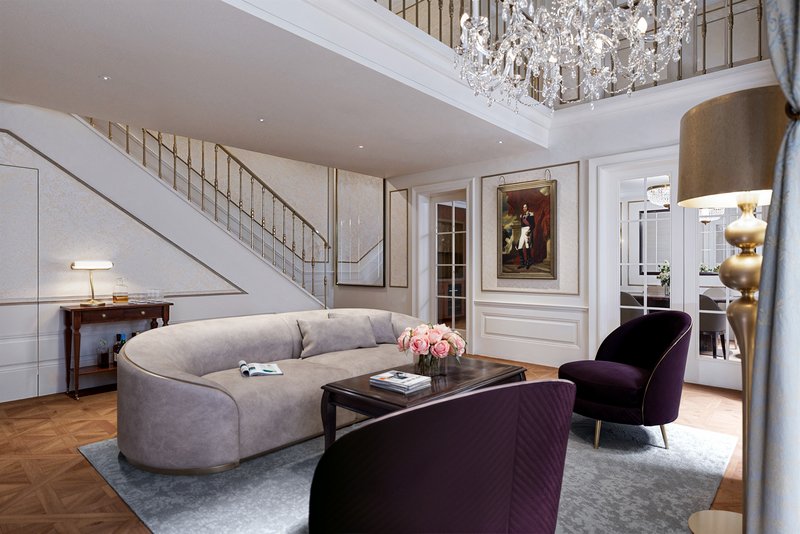
After three years of intensive planning and an equally long reconstruction period, Palais Coburg was thoroughly restored and reopened as an exclusive hotel residence. Since then, the historic building has shone in renewed glory, combining imperial charm with modern luxury.
Realignment and Renovation
In 2024, the Pühringer Foundation Group decided on a comprehensive realignment of Palais Coburg. To modernise the historic suites and state rooms in line with contemporary standards, hotel operations were temporarily suspended. The restaurants, event spaces, and wine cellars remain open throughout the renovation phase.
With the planned reopening in 2026, Palais Coburg will be repositioned as a hotel residence with an even greater focus on exclusivity, historical authenticity, and architectural elegance.